
The Intelligent Investor: Benjamin Graham's Enduring Lessons
Published in 1949, Benjamin Graham's masterwork remains the definitive guide to disciplined, long-term investing — and a cornerstone of Leyland's investment philosophy.
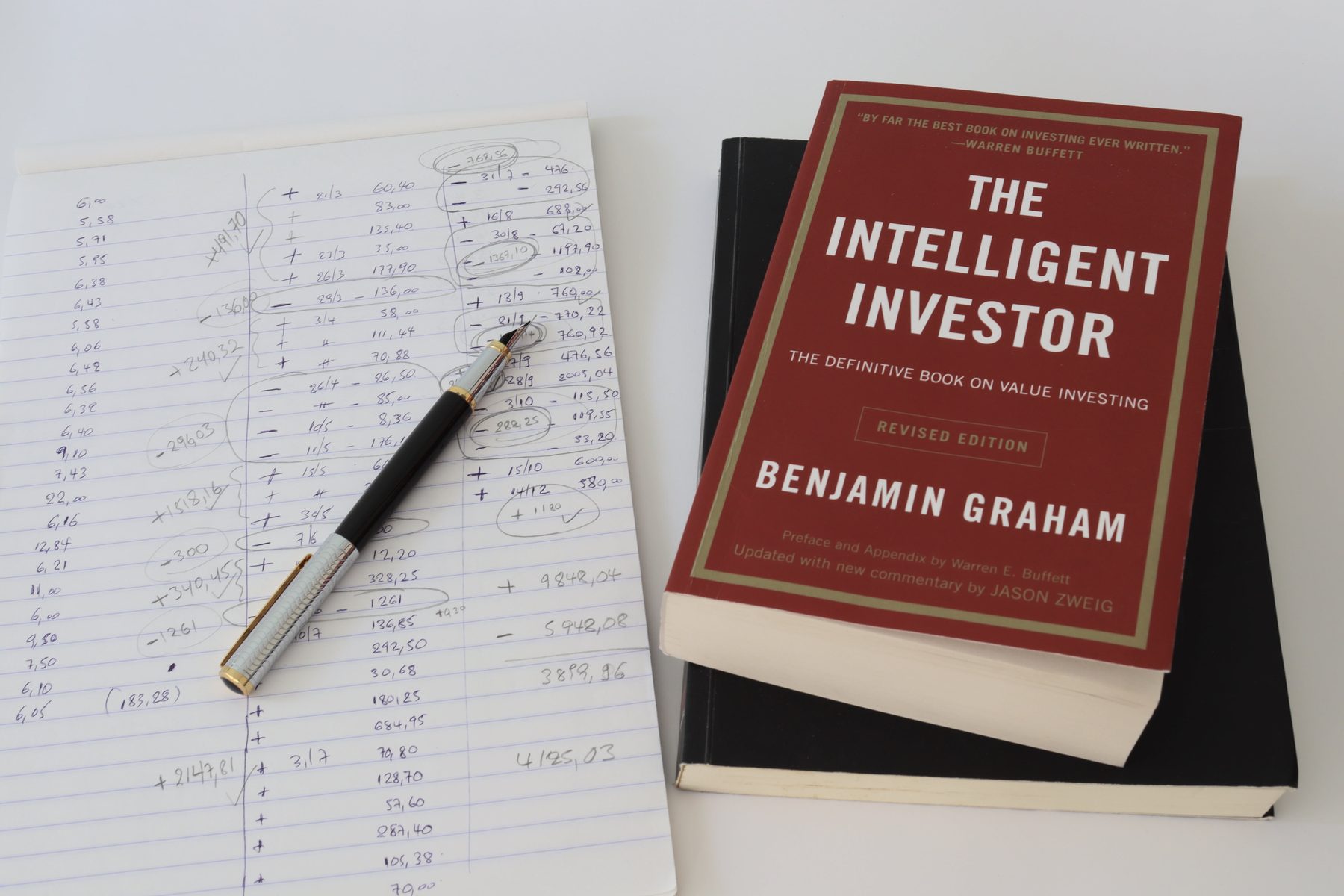
Why Graham Still Matters 75 Years On
Benjamin Graham published The Intelligent Investor in 1949 — a year before the first commercial computer, three decades before personal finance software, and half a century before the internet transformed financial markets. Yet the book remains, in Warren Buffett's words, "by far the best book on investing ever written."
This is not nostalgia. Graham's framework endures because it addresses not the mechanics of markets — which change constantly — but the psychology of investors, which does not. Every major insight in the book is as applicable to today's algorithmic, high-frequency, meme-stock world as it was to the post-war New York Stock Exchange where Graham practised.
At Leyland, the principles Graham articulated are embedded in our investment philosophy. This article explores the three most important of those principles and how they translate into our approach to private wealth management today.
Principle One: The Investor vs the Speculator
Graham's most fundamental distinction — and perhaps his most neglected — is the difference between an investor and a speculator. His definition is precise and uncompromising.
"An investment operation is one which, upon thorough analysis, promises safety of principal and an adequate return. Operations not meeting these requirements are speculative."
— Benjamin Graham, The Intelligent Investor
Note what Graham does not say. He does not say that buying shares is investing. He does not say that long-term holders are investors. He says that investment requires thorough analysis, promises safety of principal, and aims for an adequate return. Anything else is speculation — including long-term, buy-and-hold speculation.
In practice, this distinction matters enormously. It means asking before every purchase: what is the basis for this? What analysis supports the thesis? How is principal protected? What return is adequate and probable? These questions are harder to answer than they appear, and most market participants — including professionals — skip them.
Our process at Leyland begins with this discipline. Every position in our portfolios is justified by thorough fundamental analysis. We do not buy because prices are going up, because the narrative is compelling, or because everyone else is buying. We buy because the analysis supports it.
Principle Two: Mr Market and the Wisdom of Ignoring Prices
Graham's most vivid and enduring metaphor is Mr Market — an imaginary business partner who offers every day to buy your shares or sell you his, at a price he names. Sometimes Mr Market is cheerful and optimistic; his prices are high. Sometimes he is despairing and fearful; his prices are low.
The crucial insight is that you have no obligation to transact with Mr Market. You can ignore him entirely, day after day, until he offers a price that suits you. And the less attention you pay to his daily emotional swings, the better your investment results are likely to be.
"The investor who permits himself to be stampeded or unduly worried by unjustified market declines in his holdings is perversely transforming his basic advantage into a basic disadvantage."
— Benjamin Graham, The Intelligent Investor
This insight cuts against most of what financial media, brokers and even many advisers encourage investors to do. The constant stream of market commentary, price targets and trading recommendations is designed to stimulate transactions — not to improve investment outcomes.
At Leyland, we embrace Mr Market's offer when it suits us and ignore it when it doesn't. Our holding periods are measured in years, not months. We do not mistake short-term price volatility for permanent loss of value. And when Mr Market is in one of his panicked moods — offering good businesses at distressed prices — we view that as an opportunity rather than a threat.
Principle Three: The Margin of Safety
If Graham's investor/speculator distinction is his most important conceptual contribution, the margin of safety is his most important practical tool. He called it "the central concept of investment."
The margin of safety is the difference between a business's intrinsic value and the price you pay for it. If a business is worth $10 per share and you pay $6, your margin of safety is 40%. This buffer protects you against two unavoidable realities: your analysis might be wrong, and the future is uncertain.
"The margin of safety is always dependent on the price paid. It will be large at one price, small at some higher price, nonexistent at some still higher price."
— Benjamin Graham, The Intelligent Investor
The margin of safety principle has profound practical implications. It means that valuation — the price you pay — matters more than almost anything else in investing. A wonderful business at a terrible price is a poor investment. A mediocre business at a wonderful price can be an excellent one.
It also means patience. Adequate margins of safety are not always available. When valuations are stretched across a market — as they periodically become — the disciplined Graham-style investor will hold cash and wait. This is not laziness or indecision. It is the recognition that deploying capital without an adequate margin of safety is not investment; it is speculation.
Graham's Legacy in the Leyland Approach
The three principles above — the investor/speculator distinction, the wisdom of ignoring Mr Market's daily noise, and the central importance of margin of safety — are not historical curiosities. They are practical guides to superior investment outcomes.
Warren Buffett, Charlie Munger, Seth Klarman, Howard Marks and dozens of the world's most successful long-term investors trace their approach directly to Graham. At Leyland, we are proud to count ourselves in that tradition.
Our value investing approach builds on Graham's foundation — combined with the insights of his most distinguished students and updated for the realities of 21st century markets. If you'd like to understand how this approach might benefit your portfolio, we'd welcome a conversation.
Discover Our Value Investing Philosophy
Learn about the principles guiding Leyland's disciplined, Graham-inspired investment approach — in detail.
Our Investment Philosophy