

During the month, the ASX dropped about 3.7%, versus a relatively flat performance from the US S&P500. The main reason for the underperformance is the composition of the domestic market. The Australian market has roughly one-third of its weight in financials, and higher rates and government policies are limiting growth in mortgage and business lending. The concentration of the ASX in financials and resources sectors gives rise to sector specific risks. Active management of a portfolio of domestic companies is a sensible approach for careful investors seeking less concentration in their portfolios.
In contrast, the S&P 500 has a much greater exposure to technology and communications, which have continued to perform well. The ASX index has very little exposure to similar large technology companies. Investors thinking they have missed this opportunity should consider the strength of the AUD, which has improved purchasing power offshore, including international share purchases.
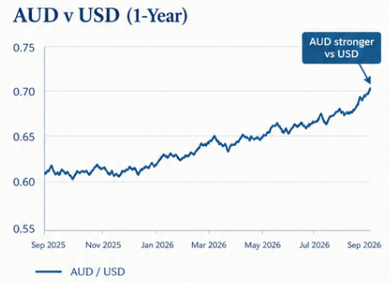
A large influence on currency movements are bond yields. The post-COVID period of falling inflation and declining interest rates has clearly changed. Global long-term bond yields have been moving higher.
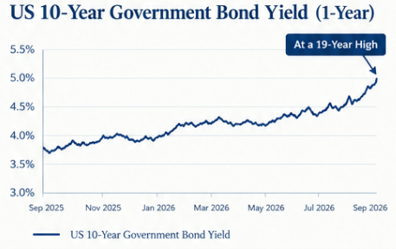
Investors are once again having to consider the cost of capital when valuing businesses and assets.
Alex Leyland